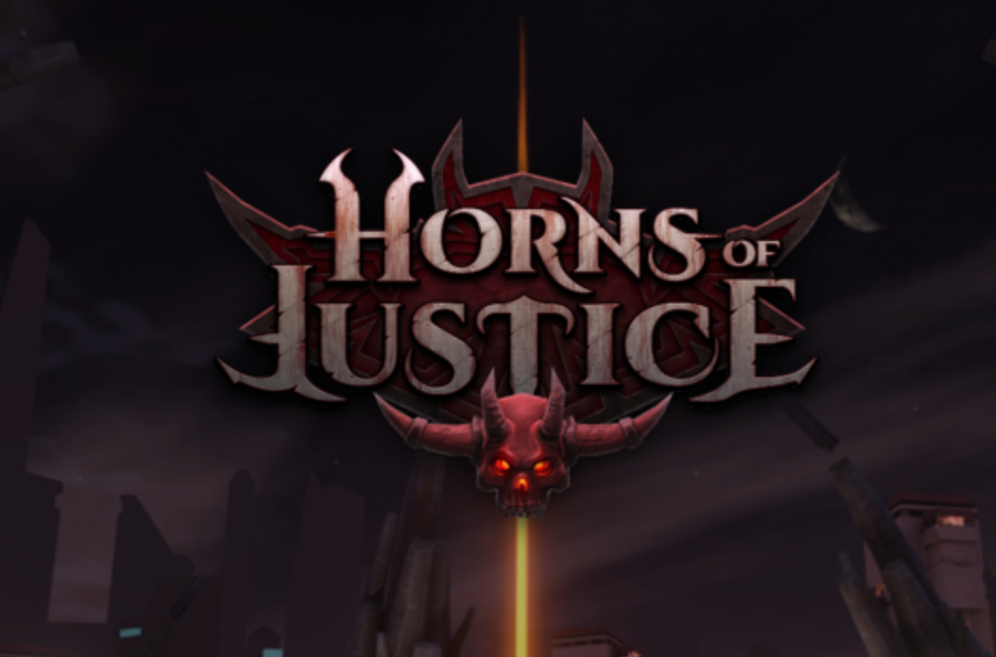
In the past couple of years, Europe has seen a major increase in radicalisation and violent extremism. This has lead to heated debates, an increased level of hate speech, extremist protests and even violent attacks and atrocities. The GAMER project seeks to counter such extremism through a unique Massive Online Battle Arena videogame and a trained group of videogaming “Active Bystanders” that engage young people that are vulnerable to incitement to Violent Extremism.
-
Despite preventive efforts, radicalisation and extremism continue to spread online. Beyond mainstream social media platforms, gaming communication has been used to coordinate activities prior to violent attacks, incite violence, recruit vulnerable individuals and raise funds. Right-wing extremist discourse is widespread in gamer communities and online multiplayer environments, where chatrooms function as powerful yet often undetectable spaces for propaganda and incitement.
-
Young adults aged 18–35 are considered particularly vulnerable to xenophobic narratives and extremist practices. In Europe, this group also constitutes the majority of social media users and online gamers, placing them at heightened risk of exposure while simultaneously making them a crucial audience for prevention and resilience-building initiatives.goes here
-
Using the same medium through which harmful narratives circulate, Radio La Benevolencija developed GAMER: an intervention using a MOBA videogame and a cohort of trained Active Bystander videogamers in order to prevent online radicalisation among young EU residents aged 18–35. The game and the videogamers raise awareness of the Continuum of Violence, stimulate critical thinking and encourage “active bystandership” — empowering players to recognise manipulation, resist polarisation and stand up against social fragmentation.
What distinguishes GAMER is its psychological messaging and conscious avoidance of moralistic or didactic approaches. Designed as an engaging MOBA-style experience, the game prioritises play and immersion, as reflected in its trailer and opening scenes.